

July 29, 2026
8 Minutes
Delta Capital Editorial
Buying Property in Dubai

Define whether the property is for personal use, rental income, or long-term appreciation.
Set a complete acquisition budget rather than focusing only on the advertised price.
Compare the community and location before comparing individual units.
Verify the broker, property, project, title status, and supporting documentation.
Review service charges, payment terms, financing requirements, and future holding costs.
Complete the transaction through the appropriate Dubai Land Department registration channel.
The strongest property search begins with a clear objective. A buyer looking for a primary residence will assess a property differently from someone seeking rental income, a second home, or long-term capital appreciation.
For an end user, daily convenience, access, community quality, layout efficiency, schools, lifestyle amenities, and long-term comfort may be the main priorities. For an investor, tenant demand, achievable rental performance, service charges, resale liquidity, future supply, and the strength of the developer become more important.
Define your preferred budget range, property type, location profile, ownership timeline, financing position, and non-negotiable requirements before reviewing individual listings. This creates a consistent framework for comparison and reduces the risk of reacting too quickly to a visually attractive unit that may not support your actual objective.
A disciplined buying brief also helps your property advisor remove unsuitable options early and focus only on opportunities that are relevant to your goals.
The advertised property price is only one part of the acquisition cost. Buyers should prepare a complete budget that considers the reservation or initial deposit, registration charges, trustee-service fees, title-deed and map charges, agency fees, mortgage-related costs where applicable, property valuation, service charges, insurance, furnishing, and any immediate improvement work.
Dubai Land Department’s published property-sale registration schedule currently allocates a registration fee of 2% of the sale value to the seller and 2% to the buyer. It also lists separate title-deed, map, knowledge, innovation, and registration-trustee charges. The way costs are commercially allocated between the parties should be confirmed in the transaction documents before signing.
For financed purchases, buyers should also understand the bank’s deposit requirement, valuation process, mortgage-registration costs, monthly repayment exposure, and the time required to obtain final approval.
For off-plan property, review the complete payment schedule rather than only the initial booking amount. Confirm when instalments fall due, whether they are linked to construction milestones, the anticipated handover period, and the financial impact of any payment obligation that falls before completion.
A clear cost schedule protects liquidity and prevents the purchase from creating unexpected financial pressure later.
Location creates the long-term framework within which a property performs. Two similar apartments can produce very different lifestyle and investment outcomes depending on the strength, maturity, connectivity, and future supply of their respective communities.
Review how the location connects to major business districts, transport routes, schools, healthcare, retail, hospitality, leisure destinations, and employment centres. Consider whether the community is already established, actively developing, or dependent on future infrastructure and population growth.
For investment property, study the likely tenant profile and the depth of demand for that particular unit type. A community that performs well for short-term stays may not produce the same result for long-term family leasing. Similarly, a premium waterfront address and a centrally located business district may appeal to different buyer and tenant groups.
Also review upcoming supply. A substantial pipeline of comparable units may affect rental competition and resale positioning. Limited supply can support scarcity, but only when the location also has sustained end-user demand.
Once the community has passed this review, compare individual units based on layout, view, floor, orientation, condition, privacy, parking, building quality, and price relative to genuine alternatives.

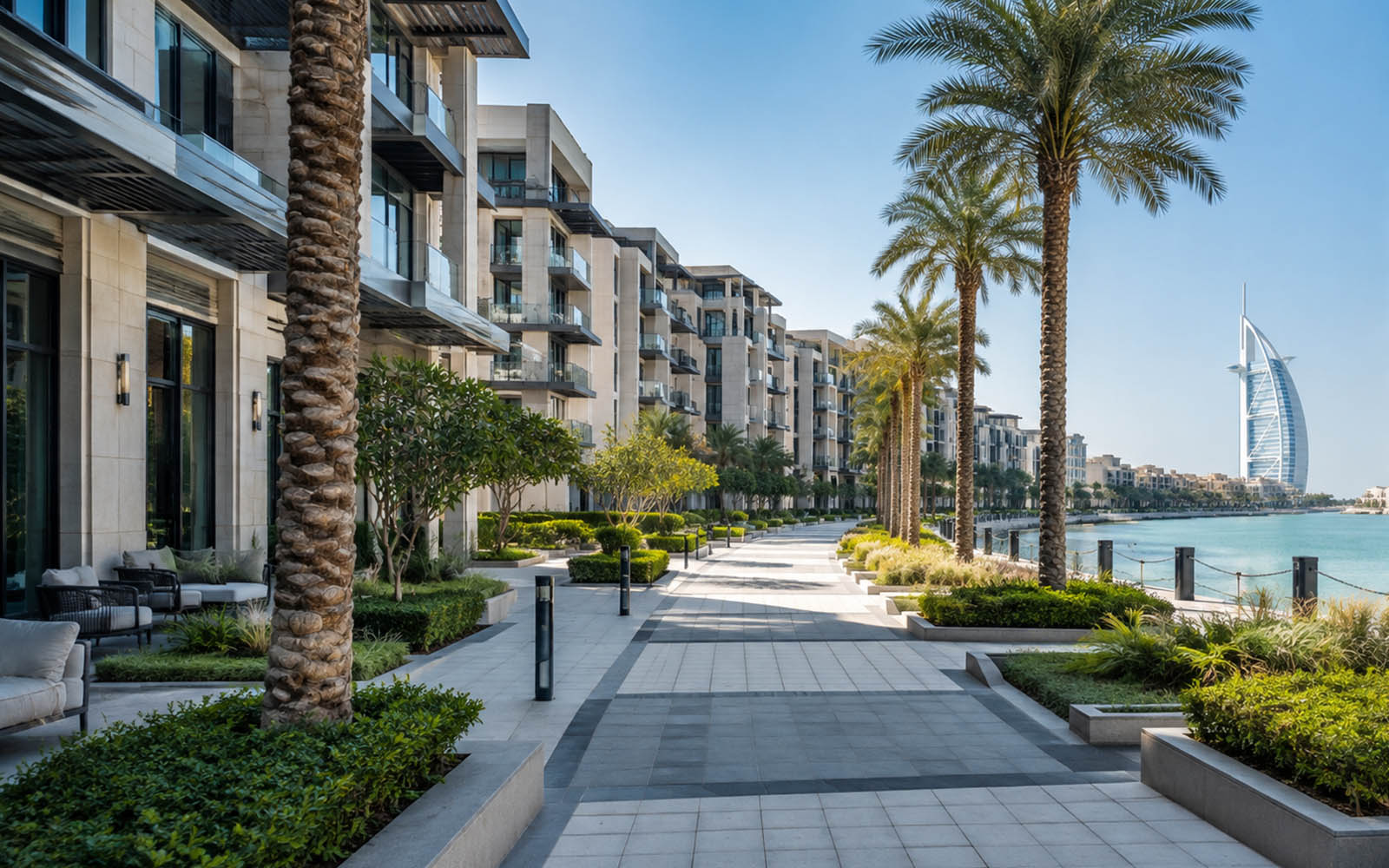
Before making a financial commitment, verify the people, documents, and property information connected to the transaction.
Foreign nationals and expatriate residents can acquire freehold ownership in the areas designated for foreign ownership in Dubai. Ownership is formalised through title deeds issued by Dubai Land Department. The exact ownership eligibility of the selected property should therefore be confirmed rather than assumed.
Check that the real estate broker and agency are appropriately licensed. Confirm the property details, ownership status, project registration, developer information, and whether any mortgage, restriction, seizure, suspension, or other issue affects the property.
Dubai Land Department provides digital services for checking property status, validating real estate licences and permits, and obtaining a detailed property report. Its detailed report service can include information concerning the owner, property, mortgage, seizure, suspension, and project.
For a resale transaction in a freehold area, the official sale-registration process lists a developer-issued electronic no-objection certificate among the required documents. Buyers should also review the memorandum of understanding or sale agreement, payment evidence, title documentation, service-charge position, property condition, and all agreed inclusions before transfer.
For off-plan property, review the sale and purchase agreement carefully, including the payment plan, expected completion, cancellation provisions, assignment conditions, project-registration details, and the developer’s obligations.
Once the property, commercial terms, and documentation are accepted, prepare the transaction timeline carefully. Confirm the signing date, deposit arrangement, financing milestones, no-objection certificate, final payment method, transfer appointment, registration charges, and handover process.
Dubai Land Department’s current property-sale registration requirements for individuals include Emirates ID for resident parties or a valid passport for non-resident foreign buyers. For properties in freehold areas, an electronic no-objection certificate from the developer is also listed.
At the Real Estate Registration Trustee Centre, the documents are verified, the transaction information is entered and audited, the applicable fees are paid, and the completed electronic title deed and map are issued by email.
The completion of registration should not be treated as the end of the buyer journey. After transfer, confirm utility registration, building or community access, service-charge accounts, property insurance, tenancy status where relevant, keys, access cards, parking allocation, snagging items, and the physical handover record.
A well-managed transaction is not simply about finding an attractive property. It is about aligning the opportunity with the buyer’s purpose, confirming the facts, understanding the complete financial commitment, and completing each stage with clear documentation.
Delta Capital Real Estate supports buyers through this process by curating relevant opportunities, structuring comparisons, coordinating the transaction journey, and helping clients move forward with greater clarity and confidence.
This article provides general information and should not replace independent legal, financial, mortgage, tax, or technical advice relating to a specific transaction.




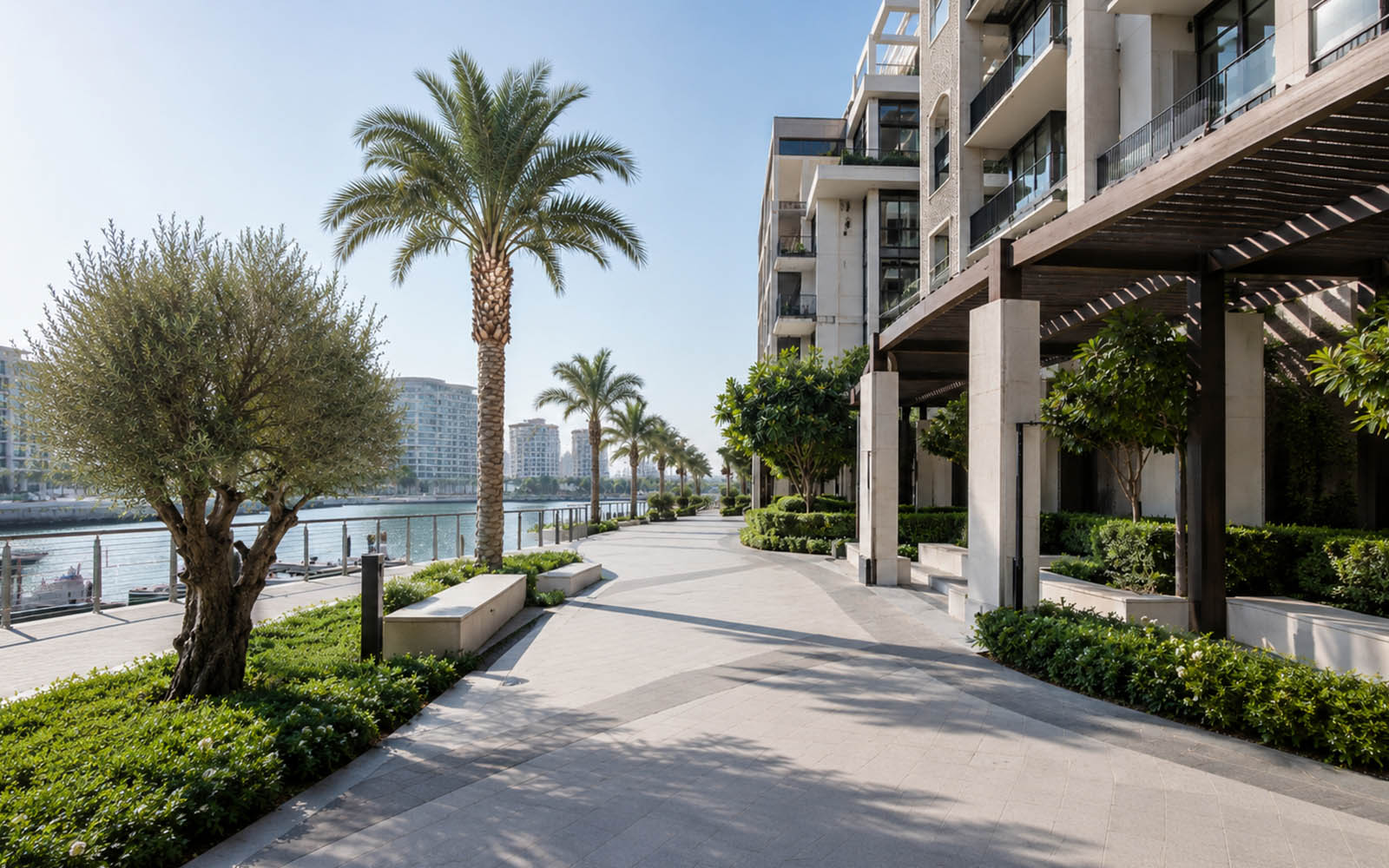
Speak with Delta Capital Real Estate for clear guidance on residential, off-plan, commercial, and investment-led property opportunities.
We use cookies to support essential website functions, understand how our website is used and improve your browsing experience. You can accept all cookies, reject non-essential cookies or manage your preferences.